

Gum Infection or Melanoma?

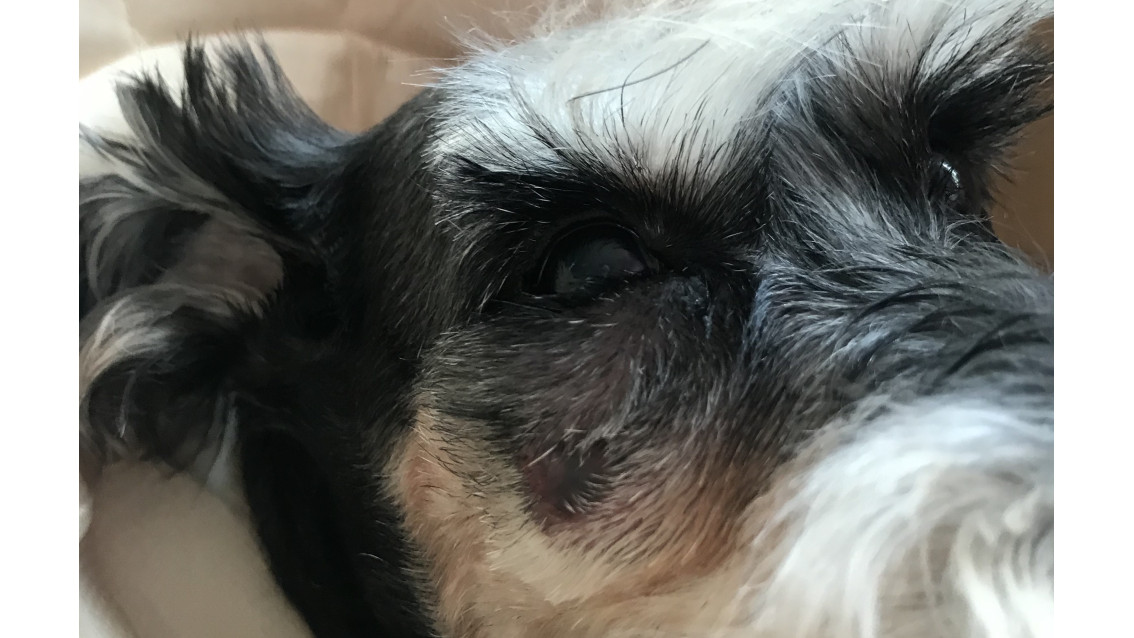
What Is Oral Melanoma in Dogs?
Oral melanoma is a cancer that develops from pigment-producing cells called melanocytes. It commonly appears on the gums, lips, tongue, or roof of the mouth.
Unlike many skin melanomas, oral melanomas are often aggressive and can spread to nearby lymph nodes and the lungs if left untreated.
What Is a Gum Infection?
A gum infection, also known as periodontal disease or a dental abscess, occurs when bacteria build up around the teeth and gums. Over time, the infection can spread below the gum line, causing pain, swelling, and even tooth loss.
Dental disease is one of the most common health problems in dogs, especially as they age.
Symptoms to watch out for
Whether the cause is cancer or infection, the following signs should never be ignored:
Warning Signs in the Mouth
- Persistent bad breath
- Bleeding from the mouth
- Excessive drooling
- Difficulty eating or chewing
- Dropping food while eating
- Visible lumps, masses, or growths
- Swollen gums
- Loose or missing teeth
- Facial swelling, especially on one side
- Weight loss
- Reduced appetite
If any of these symptoms persist for more than a few days, schedule a veterinary examination.
Prevention and Early Detection
While oral melanoma cannot be completely prevented, early detection can improve treatment outcomes. Regularly check your dog's mouth for unusual lumps, swelling, bleeding, or changes in eating habits.
Dental disease, however, is often preventable through:
- Daily tooth brushing
- Regular professional dental cleanings
- Veterinarian approved dental chews
- Routine monitoring for red gums, swelling, broken teeth, bleeding, or persistent bad breath
A swollen cheek or mouth problem in a dog is not always "just a tooth issue."
While dental infections are common and often treatable, oral melanoma is a serious cancer that requires prompt diagnosis and treatment.
The good news is that many oral conditions can be detected early through regular mouth checks, routine dental care, and veterinary examinations. If you notice any unusual swelling, lumps, or changes in your dog's eating habits, don't wait!
Early evaluation can make all the difference.